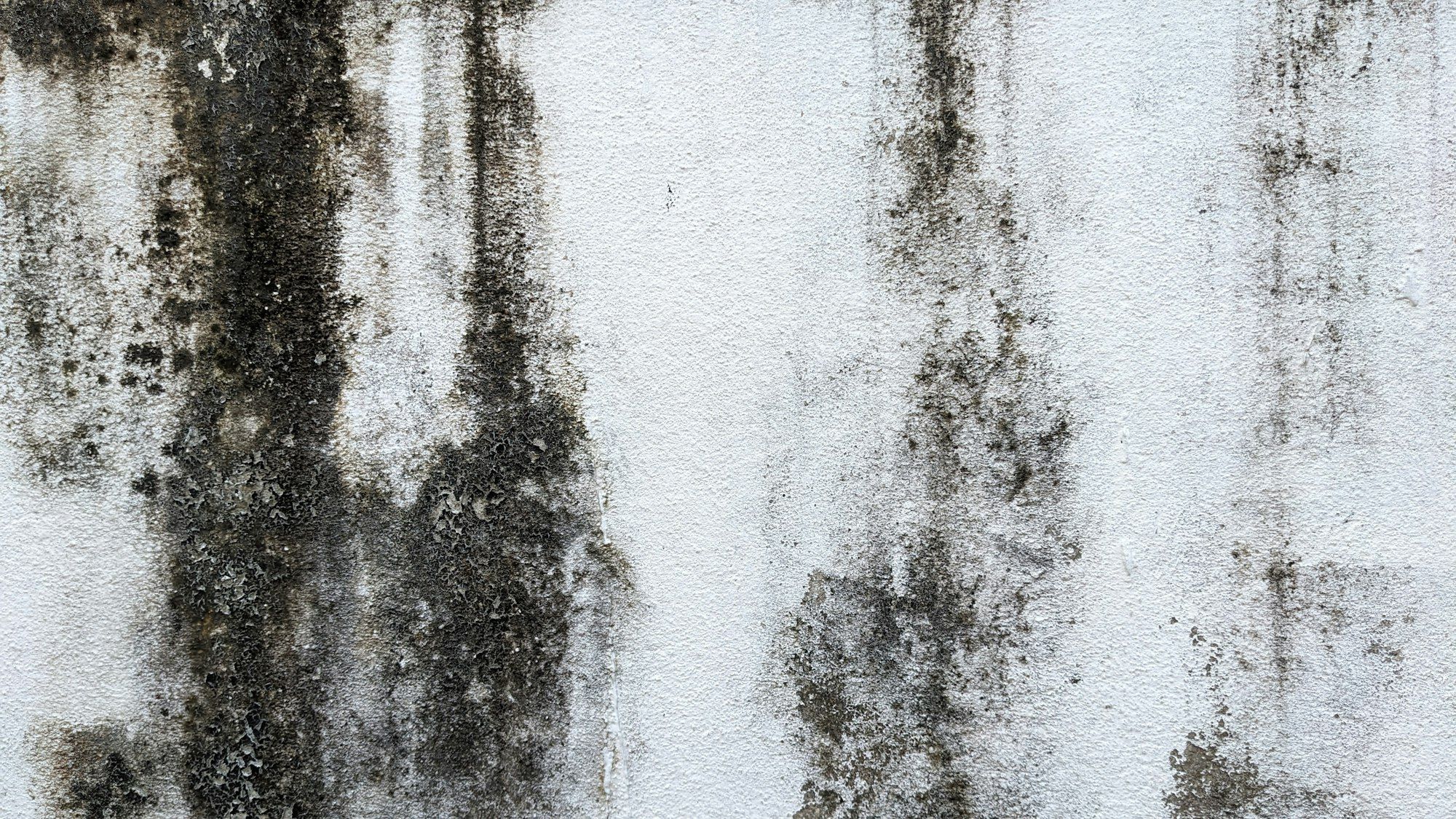
Why mold is so common in coastal North Carolina
Mold needs three things: moisture, something to feed on (wood, drywall paper, dust, fabric) and mild temperatures. Homes in New Hanover, Pender, Brunswick and Onslow counties have all three for most of the year.
- Long, humid summers. Outdoor humidity along the coast stays high from late spring into fall. Any surface that's cooler than the air around it, like ductwork, a crawl space floor or the back of a closet on an exterior wall, can collect condensation.
- Hurricanes and tropical storms. Wind-driven rain, roof damage and flooding can soak building materials faster than a home can dry out on its own. Storms like Hurricane Florence in 2018 left many local homes with mold problems that showed up weeks later.
- Vented crawl spaces. Many homes in the region sit over crawl spaces with open foundation vents. In summer, those vents pull warm, humid air under the house, where it meets cooler wood and ductwork. Read more on our crawl space mold page.
- Homes that sit closed up. Beach houses, rentals and second homes that sit empty with the air conditioning off or set high can build up humidity quickly.
- Older plumbing and roofs. Slow leaks behind walls, under sinks and around toilets, water heaters and washing machines are a steady source of hidden moisture.
Signs you may have a mold problem
Mold isn't always visible. Common warning signs include:
- A musty, earthy smell, especially when the air conditioning turns on or in closets and bathrooms
- Spots or fuzzy growth in black, green, white, gray or orange
- Water stains, bubbling paint or peeling wallpaper
- Warped baseboards, soft drywall or cupped wood floors
- Condensation on windows, air vents or ductwork
- Sweating or dripping on the air handler or around the HVAC closet
- A leak or storm in the last few weeks that wasn't fully dried out
Where to look in local homes
In our area, mold most often turns up in crawl spaces (on floor joists, subfloor and insulation), in attics (especially where bathroom fans vent into the attic instead of outside), around the air handler and supply vents, under kitchen and bathroom sinks, behind washing machines and refrigerators, in closets on exterior walls, and around windows and sliding doors.
What causes mold? It always comes back to moisture
Mold spores are everywhere, indoors and out. You can't remove them all, and you don't need to. Mold only becomes a problem when spores land on something that stays damp. That's why every real fix starts with finding and stopping the moisture source. Common sources include:
- Plumbing leaks: supply lines, drain lines, water heaters, ice makers and dishwashers
- Roof, flashing and window leaks, often after a storm
- High indoor humidity from an undersized or oversized air conditioner, or poor ventilation
- Crawl space moisture from vents, standing water, missing vapor barriers or poor drainage
- Clogged AC condensate lines and rusted drain pans
- Flooding or water damage that wasn't dried within 24 to 48 hours
The EPA notes that drying wet materials within 24 to 48 hours usually prevents mold from growing. If that window has passed, it's worth getting the area checked even if you don't see anything yet.
Can you handle it yourself?
Sometimes, yes. The EPA's general guidance is that a homeowner can usually clean up a moldy area smaller than about10 square feet (roughly a 3 ft by 3 ft patch) on a hard, non-porous surface, as long as the moisture problem has been fixed. If you do it yourself:
- Wear gloves, eye protection and an N-95 respirator
- Scrub hard surfaces with detergent and water, then dry them completely
- Throw away porous items that stay moldy, like ceiling tiles, carpet padding and insulation
- Never mix bleach with ammonia or other household cleaners
- Don't paint or caulk over mold; it will grow back underneath
It's time to call a professional when:
- The affected area is larger than about 10 square feet, or you keep finding more
- Mold is in the HVAC system, ductwork or air handler
- The water involved was sewage, floodwater or other contaminated water
- Mold is inside walls, under floors or in the crawl space or attic
- Someone in the home has asthma, allergies, a weakened immune system or other health concerns
- You need documentation for insurance, a home sale or a landlord
What professional mold remediation looks like, step by step
Every home is different, but a thorough remediation job generally follows these steps. Ask any restoration company to explain how they'll handle each one before work starts.
- Inspection and moisture mapping. The crew looks for visible growth, uses moisture meters (and sometimes thermal cameras) to find wet materials, and identifies the moisture source.
- Fixing the moisture source. A leak, crawl space problem or humidity issue has to be addressed, or the mold will return. Some fixes need a plumber, roofer or HVAC contractor.
- Containment. The work area is sealed off with plastic sheeting, and air filtration machines with HEPA filters create negative air pressure so spores don't spread to the rest of the house.
- Protective equipment. Workers wear respirators, gloves and protective suits appropriate to the job.
- Removing contaminated materials. Porous materials with mold growth, such as drywall, insulation, carpet and padding, are cut out, bagged and removed. Killing mold isn't enough: the EPA notes that dead mold can still cause allergic reactions, so it has to be removed.
- Cleaning what stays. Hard surfaces and structural wood are cleaned, often by scrubbing, sanding or other methods, then HEPA-vacuumed.
- Drying. Dehumidifiers and air movers bring materials back to normal moisture levels before anything is closed up.
- Checking the result. The area should look clean, smell normal and test dry. Some homeowners hire a separate inspector for a post-remediation check.
- Repairs. Drywall, insulation, flooring and trim are replaced. Some remediation companies handle this; others refer it out.
Is mold testing necessary?
Not always. According to the CDC, if you can see or smell mold, you have a problem that should be fixed, no matter what kind it is. There are no federal standards for "safe" levels of mold in a home. Testing can still be useful when you smell mold but can't find it, when you want proof that remediation worked, or when a buyer, landlord or insurer asks for it. Learn more on our mold inspection and testing page.
Health and safety basics
The CDC notes that mold can cause stuffy nose, sore throat, coughing, wheezing, and eye or skin irritation in sensitive people. People with asthma, allergies, chronic lung conditions or weakened immune systems can have more serious reactions. Infants, older adults and anyone with health concerns should stay out of areas being cleaned.
This page is general information, not medical advice. If you think mold is affecting your health or a family member's, talk to a doctor.
Does insurance cover mold remediation?
Coverage depends on your policy and on what caused the mold. Some general patterns:
- Sudden, accidental water damage (like a burst pipe) is more likely to be covered, including some resulting mold, than damage from a slow leak or long-term humidity.
- Many policies limit mold coverage with a separate cap or exclude it entirely unless it results from a covered event.
- Flooding from rising water is generally not covered by standard homeowners policies. It falls under flood insurance, such as a National Flood Insurance Program (NFIP) policy.
- Document everything. Take photos and video before anything is removed, keep receipts, and report the damage to your insurer promptly. Most policies also expect you to take reasonable steps to prevent further damage.
Read your policy and talk to your agent or adjuster about your situation. This is general information, not legal or insurance advice.
What affects the cost of mold remediation?
Prices vary widely from one job to the next, so the only reliable number is a written estimate for your home. The main factors are:
- Size of the affected area and how many rooms or areas are involved
- Location: crawl spaces, attics and HVAC systems are harder to work in than an open room
- Materials: how much drywall, insulation or flooring has to be removed and replaced
- The moisture fix: repairing a leak, adding a dehumidifier or encapsulating a crawl space adds cost
- Testing, if you choose to have it done before or after
- Rebuild work after remediation
Ask for a written scope of work that lists what will be removed, how the area will be contained and how the crew will confirm the job is done. Getting more than one estimate is reasonable for non-emergency work.
When mold is an emergency
Most mold isn't a same-day emergency, but you should act quickly if:
- The home recently flooded or had a sewage backup
- Growth is spreading quickly or covers a large area
- Someone in the home has asthma, a weakened immune system or other health concerns and is having symptoms
- Mold is in the air handler or ductwork and the system is running
- You see sagging ceilings, soft floors or other signs of structural damage
If any of those apply, call (910) 555-0100 and we'll get a vetted local crew on the way.
How to keep mold from coming back
- Keep indoor humidity below 60%, and ideally between 30% and 50%, as the EPA recommends. An inexpensive humidity meter helps.
- Run bathroom and kitchen exhaust fans, and make sure they vent outside, not into the attic.
- Have your air conditioner serviced and keep the condensate line clear.
- Fix leaks right away and dry any wet area within 24 to 48 hours.
- Check your crawl space at least once a year, and after every major storm.
- Keep gutters clean and make sure the ground slopes away from the foundation.
- If a home will sit empty, leave the AC or a dehumidifier running rather than shutting everything off.
Mold services
- Mold inspection and testing
- Crawl space mold removal
- Water damage restoration, to stop mold before it starts
Mold remediation service areas
Vetted local crews serve homes throughout New Hanover, Pender, Brunswick and Onslow counties, including:
- New Hanover County: Wilmington, Carolina Beach
- Pender County: Hampstead, Surf City, Burgaw
- Brunswick County: Leland, Southport
- Onslow County: Jacksonville, Sneads Ferry, Holly Ridge