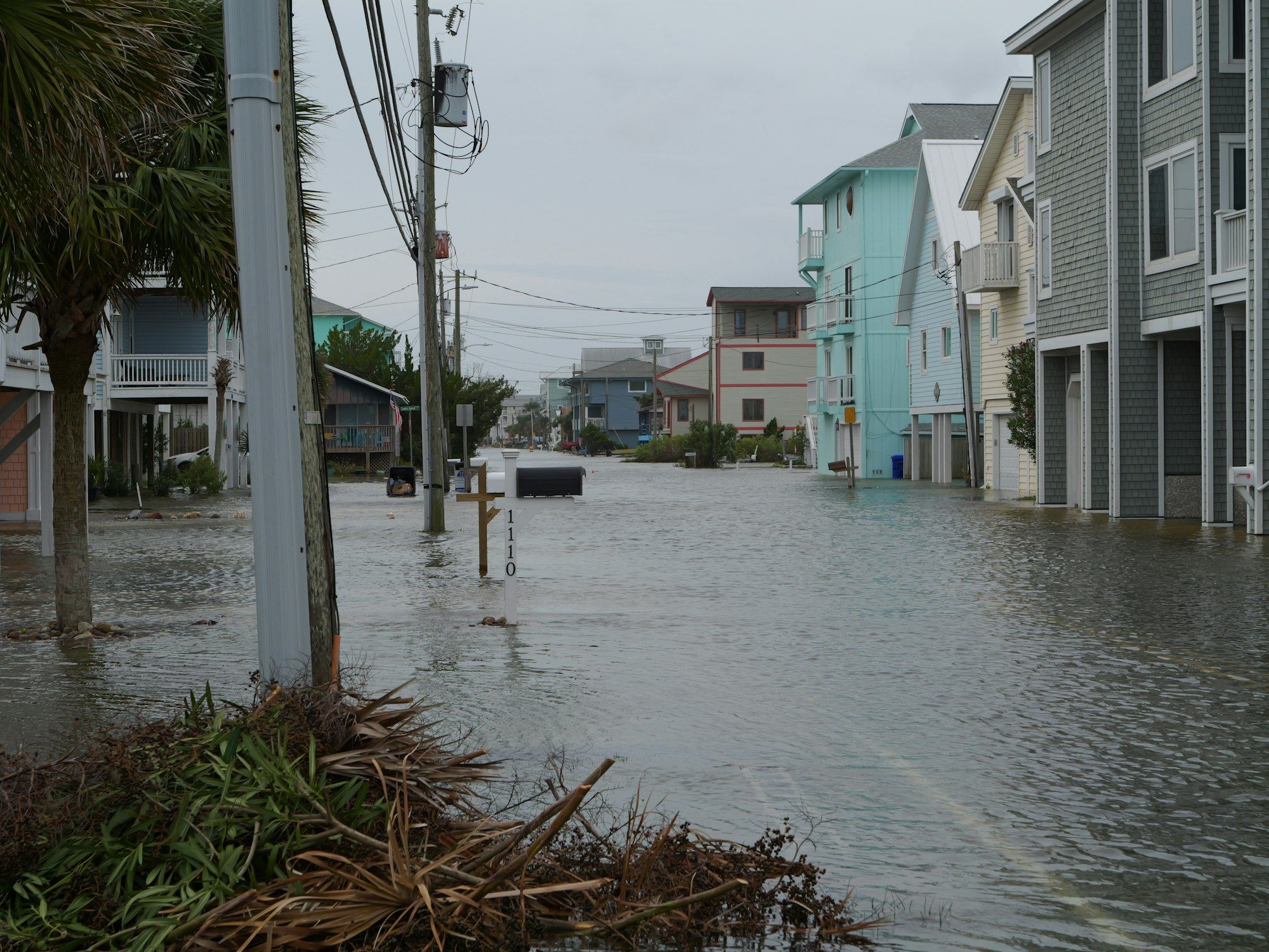
What to do in the first hour
If water is actively coming into your home, these steps help limit the damage:
- Stay safe. Don't walk into standing water if it may be in contact with outlets, cords, appliances or the electrical panel. If you can't safely reach the breaker, call your power company or an electrician.
- Stop the water. Turn off the main water shutoff valve. In many local homes it's near where the water line enters the house, in the crawl space, a utility closet or near the water heater. If you're on a well, turn off the well pump at the breaker.
- Document it. Take photos and video of the water, the source and every damaged area before anything is moved or removed. Your insurer will want them.
- Protect belongings. Move furniture, rugs, electronics and papers to a dry area. Put aluminum foil or wood blocks under furniture legs that can't be moved.
- Avoid contaminated water. If the water came from a toilet, a sewer backup or outdoor flooding, keep children and pets away and don't try to clean it with household tools.
- Call for help. Call (910) 555-0100 to get a vetted local water damage crew on the way, then call your insurance company.
Common causes of water damage in local homes
- Plumbing failures: burst or pinhole-leaking pipes, failed supply lines to toilets and sinks, and leaking water heaters.
- Appliances: washing machine hoses, dishwashers, ice maker lines and refrigerator water lines.
- HVAC condensation: clogged condensate lines and overflowing drain pans, which are very common in our long cooling season.
- Storms: roof damage, wind-driven rain around windows and doors, and flooding from hurricanes and tropical storms. See storm and hurricane damage.
- Crawl space water: poor drainage, high water tables and broken pipes under the house.
- Freeze events: hard freezes are rare here, but when they come, pipes in crawl spaces and exterior walls aren't always insulated for them.
Clean water, gray water and black water
The restoration industry sorts water damage into three categories, because the source changes how it has to be handled:
- Category 1 (clean water): from a clean source, like a broken supply line or an overflowing sink. It's the easiest to dry, but it can become contaminated if it sits.
- Category 2 (gray water): water with some contamination, like washing machine or dishwasher discharge, or a toilet overflow with urine but no feces.
- Category 3 (black water): grossly contaminated water, including sewage, and floodwater from rivers, creeks, storm surge or the ocean. Porous materials it touches, like carpet, padding and drywall, are usually removed and thrown away.
Clean water that sits for a day or two in a warm house can become gray water, and gray water can become black water. That's one more reason to start drying quickly.
Signs of hidden water damage
Not all water damage is obvious. Look for:
- Stains or discoloration on ceilings and walls
- Paint that bubbles, peels or feels soft
- Baseboards that are swollen or pulling away from the wall
- Wood floors that cup (edges higher than the center) or buckle
- Loose tiles or soft spots in the floor, especially around toilets and tubs
- A musty smell, or a water bill that's higher than usual
The water damage restoration process, step by step
- Inspection. The crew finds the source, checks how far the water traveled using moisture meters and sometimes thermal cameras, and determines the water category.
- Water removal. Standing water is extracted with truck-mounted or portable pumps and extractors. Removing as much liquid water as possible shortens drying time.
- Removing damaged materials. Wet carpet padding, swollen baseboards and soaked insulation are usually removed. When drywall has wicked up water, a common approach is a "flood cut": removing the bottom section of drywall above the water line so the wall cavity can dry.
- Drying and dehumidifying. Commercial dehumidifiers and high-velocity air movers are set up to pull moisture out of walls, floors and framing. Wall cavities, hardwood and crawl spaces may need specialized drying equipment.
- Monitoring. Moisture levels are measured and recorded, usually daily, until materials reach normal dry levels. Those readings also support your insurance claim.
- Cleaning and sanitizing. Affected areas are cleaned, and an antimicrobial may be applied, especially after gray or black water.
- Repairs. Drywall, insulation, trim, flooring and cabinets are replaced or repaired once everything is dry. Some restoration companies handle repairs themselves; others refer them out.
What can be saved, and what usually can't
One of the first questions homeowners ask is what will have to be torn out. The answer depends on the material, the water category and how long it stayed wet:
- Drywall: often salvageable after a quick clean-water leak if it dries fast and isn't sagging or crumbling. Drywall soaked by gray or black water, or wet for more than a couple of days, is usually cut out.
- Insulation: wet fiberglass batts lose their effectiveness and trap moisture against framing, so they're usually removed. Insulation that touched floodwater should always be removed.
- Carpet and padding: after a clean-water leak, carpet can sometimes be dried in place, but the padding is often replaced. After gray or black water, both are generally thrown away.
- Hardwood floors: can sometimes be dried with specialized mats and equipment if drying starts quickly. Boards that stay cupped or buckled after drying may need sanding, refinishing or replacement.
- Laminate and vinyl plank: water often gets trapped underneath, so these floors are frequently pulled up to dry the subfloor.
- Cabinets: solid wood cabinets may dry out. Particleboard and MDF cabinet bases tend to swell and are often replaced.
- Framing and subfloor: structural wood can almost always be dried and kept, as long as it's dried thoroughly and checked for mold.
- Contents: furniture, documents, photos and electronics may be cleaned, dried or restored by specialists. Mattresses, upholstered furniture and stuffed toys that touched floodwater or sewage are usually discarded.
A good restoration crew explains why each item needs to come out and documents it with photos for your insurance claim.
Why speed matters
Water damage gets worse with time. Within hours, drywall wicks water upward and wood floors start absorbing moisture. The EPA notes that drying wet materials within 24 to 48 hours usually prevents mold growth. After that, the risk ofmold rises sharply, especially in a warm, humid coastal home. Delays can also turn a covered insurance claim into a dispute about "further damage" that could have been prevented.
Water damage and insurance
Every policy is different, but here are some general patterns North Carolina homeowners should know:
- Sudden and accidental water damage, like a burst pipe, is often covered. Damage from a slow, ongoing leak usually isn't.
- Flooding from rising water, storm surge or overflowing rivers is generally excluded from homeowners policies. It's covered by separate flood insurance, such as an NFIP policy, which usually has a 30-day waiting period before new coverage starts.
- Wind-driven rain that enters through a roof or wall damaged by a storm is typically treated differently from flooding. Along the coast, some homeowners have wind and hail coverage through the North Carolina Insurance Underwriting Association (often called the "Beach Plan"), separate from their main policy.
- Hurricane and named-storm deductibles are often a percentage of your dwelling coverage, not a flat dollar amount. Check yours before storm season.
- Sewer and drain backups are often excluded unless you added an endorsement.
- You're expected to prevent further damage. Stopping the water and starting drying promptly protects both your home and your claim.
Talk to your agent or adjuster about your specific situation. This is general information, not legal or insurance advice.
What affects the cost of water damage restoration?
Every job is priced differently, so ask for a written estimate. The biggest factors are:
- How much area is wet, and how many rooms or floors are affected
- The water category: black water requires more removal and cleaning
- How long the water sat before drying started
- The materials involved: hardwood, plaster, cabinets and crawl spaces take more work
- How many days of equipment are needed
- Repairs and rebuild work after drying
When water damage is an emergency
Call right away if:
- Water is still coming in and you can't stop it
- Water is near electrical outlets, panels or appliances
- Ceilings are sagging or bulging
- The water is from a sewer backup, toilet or outdoor flooding
- Water has spread across multiple rooms, into the crawl space or between floors
See emergency water removal for more on what to do right now.
Water damage services
- Emergency water removal
- Flood cleanup
- Mold remediation, if mold has already started
- Storm and hurricane damage
Water damage restoration service areas
Vetted local crews serve homes throughout New Hanover, Pender, Brunswick and Onslow counties, including:
- New Hanover County: Wilmington, Carolina Beach
- Pender County: Hampstead, Surf City, Burgaw
- Brunswick County: Leland, Southport
- Onslow County: Jacksonville, Sneads Ferry, Holly Ridge